Free Inquiry Now !

If you’ve owned an above-ground pool for more than a season or two, you already know the routine. You buy a cover in the fall, wrestle it into place, and hope it survives the winter. By spring, it’s sagging, torn, or worse—gone after a windy night. Then you do it all over again.
At some point, most pool owners start asking the same question:
Is there a more durable pool cover that actually lasts?
What Are Traditional Pool Covers—and Why Do They Fail?
Most traditional pool covers used for above ground swimming pools fall into three categories:
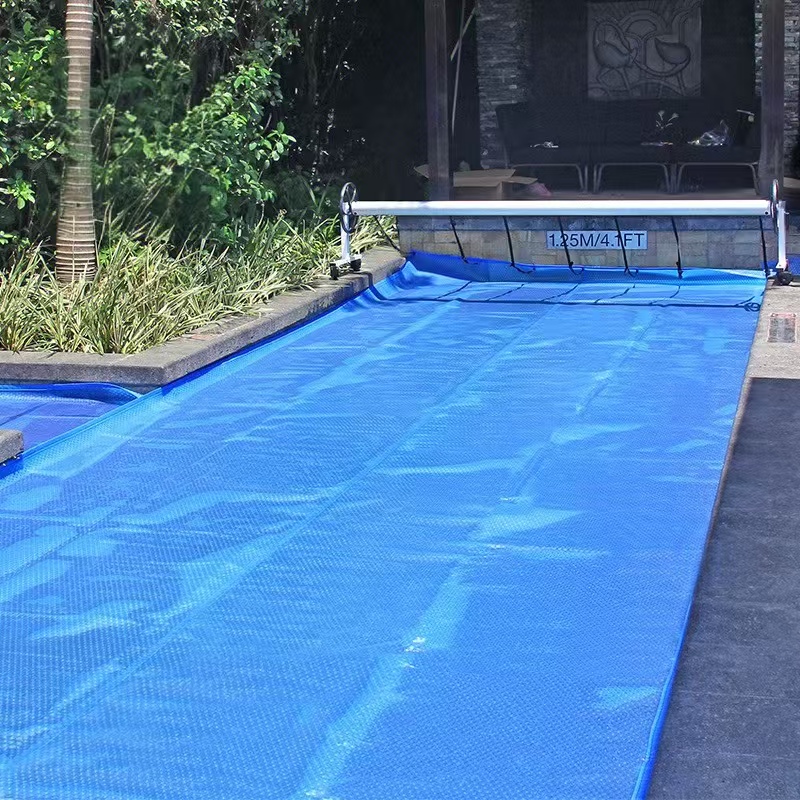
- Polyethylene (PE) winter covers
- Vinyl covers
- Mesh safety covers
They’re popular for a reason. They’re affordable, lightweight, and easy to install. For short-term use, they get the job done.
But here’s where things start to break down.
Common Issues with Traditional Pool Covers
1. Limited lifespan
A typical pool cover lifespan for PE or vinyl is around 1–3 seasons. UV exposure, temperature swings, and general wear take their toll quickly.
2. Weak wind resistance
Even with cables and winches, strong winds can loosen or lift the cover. In exposed areas, this is one of the main reasons covers fail.
3. Poor snow load performance
Heavy snow or standing water creates sagging. Over time, that stress leads to tearing.
4. Ongoing replacement costs
What seems like a low upfront cost often turns into a recurring expense.
Traditional covers aren’t “badâ€â€”they’re just designed as temporary solutions, not long-term systems.
What Is a Polycarbonate Pool Cover?
A polycarbonate pool cover is a completely different approach.
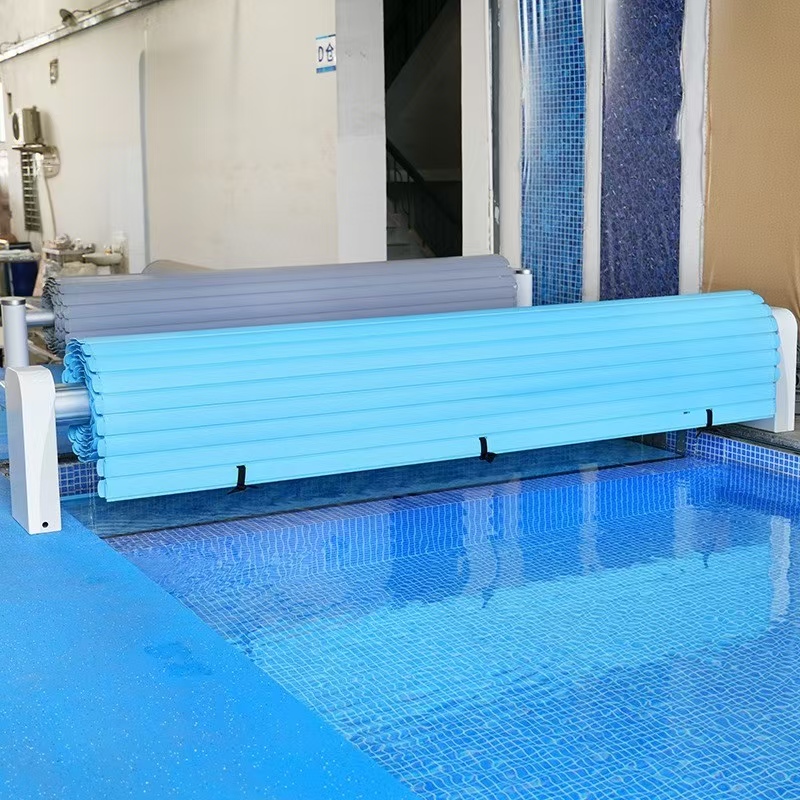
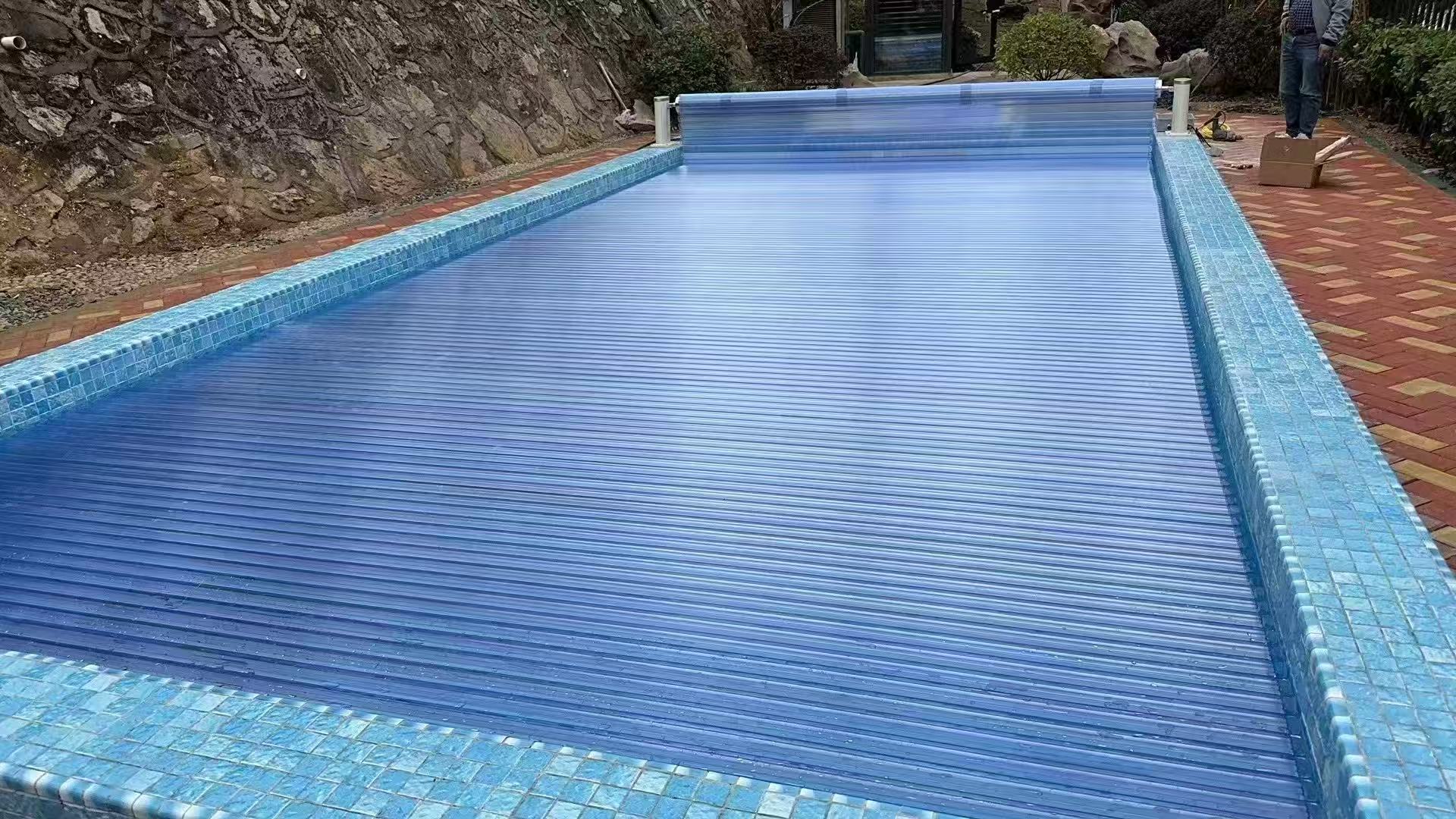
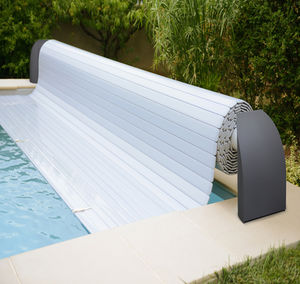
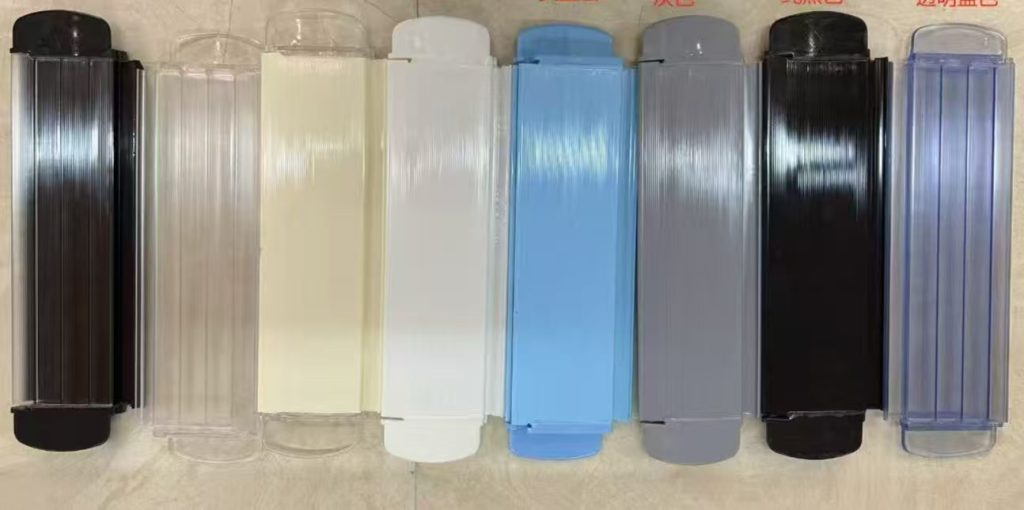
Instead of a flexible sheet, it uses rigid polycarbonate panels supported by a structural frame—usually aluminum. Depending on the design, it can be fixed in place or built as a sliding/retractable system.
You may also see it referred to as:
- Rigid pool cover
- Solid pool cover system
- Permanent pool cover solution
Key Characteristics
- High-impact polycarbonate sheets (the same material used in architectural glazing)
- Strong structural support
- Designed for long-term outdoor exposure
- Optional customization for size, shape, and operation
Polycarbonate vs Traditional Pool Covers: Side-by-Side Comparison
If you’re trying to decide which pool cover lasts longer, this is where the differences become obvious.
| Feature | Traditional Pool Covers | Polycarbonate Pool Cover |
|---|---|---|
| Lifespan | 1–3 years | 10+ years |
| Material | PE / Vinyl / Mesh | Solid Polycarbonate Panels |
| Wind Resistance | Low to moderate | High |
| Snow Load Capacity | Prone to sagging | Designed for heavy loads |
| Safety | Not load-bearing | Can support weight (depending on design) |
| Maintenance | Frequent replacement | Minimal |
| Long-Term Cost | Adds up over time | One-time investment |
From a purely durability standpoint, the answer to “which pool cover lasts longer†is straightforward:
polycarbonate systems are built for longevity, not seasonal use.
When Durability Really Matters
Not every pool owner needs a heavy-duty solution. But in certain conditions, a more durable pool cover isn’t just a luxury—it’s a necessity.
1. Cold Climates and Snowy Winters
If your pool sits under snow for months, a standard cover is under constant stress. Ice buildup and freeze-thaw cycles accelerate wear.
A pool cover for snow needs to handle weight without sagging or tearing. Rigid polycarbonate panels distribute that load far more effectively.
2. High-Wind Areas
Open backyards, coastal regions, or elevated terrain can expose your pool to strong winds.
A pool cover for wind has to stay secure under pressure. Traditional covers rely on tension systems, which can fail. A rigid structure simply holds its position.
3. Long-Term or Permanent Installations
If you’re managing a property, rental, or high-end residential project, replacing covers every year isn’t ideal.
In these cases, a permanent pool cover solution makes more sense—both financially and operationally.
4. Safety Considerations
Standard covers are not designed to support weight. For households with children or pets, this can be a concern.
Some polycarbonate systems, when properly engineered, offer a higher level of safety due to their structural strength.
The Cost Question: Cheap vs Cost-Effective
At first glance, traditional covers seem like the obvious choice. They’re cheaper upfront, and for many buyers, that’s enough.
But let’s look at the bigger picture.
Traditional Cover (Typical Scenario)
- Initial cost: low
- Replacement cycle: every 1–2 years
- 10-year period: multiple purchases
Polycarbonate Pool Cover
- Initial cost: higher
- Lifespan: 10+ years
- Maintenance: minimal
Over time, the total cost often evens out—or even favors the more durable option.
This is why many buyers shift their thinking from “cheap pool cover†to “long lasting pool cover.â€
Which Pool Cover Should You Choose?
There isn’t a one-size-fits-all answer. It depends on how you use your pool—and how long you plan to keep it.
Choose a Traditional Pool Cover if:
- You need a low upfront cost
- You’re covering the pool temporarily
- Weather conditions are mild
- Replacement every couple of years is acceptable
Choose a Polycarbonate Pool Cover if:
- You want a durable pool cover that lasts
- Your pool faces snow, wind, or harsh weather
- You’re planning for long-term use
- You prefer a permanent pool cover solution
For many pool owners, the decision comes down to this:
Do you want to keep replacing your cover, or install something that solves the problem for good?
Looking for a More Durable Pool Cover Solution?
If you’re exploring alternatives to traditional above ground pool covers, it may be worth considering a system designed for long-term performance.
A well-designed polycarbonate pool cover can be customized based on:
- Pool size and shape
- Local climate conditions
- Fixed or retractable
Instead of buying another seasonal cover, you’re investing in a solution built to last.
Interested in exploring options?
You can request a custom design, discuss your project requirements, or get a quote tailored to your pool setup.
The pool cover market hasn’t changed much in decades—most options are still designed to be replaced.
Conclusion
But expectations are changing.More homeowners and project planners are moving toward solutions that are stronger, longer-lasting, and better suited to real-world conditions.
And that’s exactly where polycarbonate pool cover come in.