Free Inquiry Now !

When people talk about LED lighting, the conversation usually stays focused on the LEDs themselves. Brightness, efficiency, color temperature, power consumption—those are the things most buyers pay attention to first.The diffuser panel usually comes later.And honestly, that makes sense. At first glance, a diffuser just looks like a sheet sitting in front of the light source. Nothing complicated.
But once a project is actually installed, that’s usually when people realize how much the diffuser changes the final result.
Sometimes the light feels too sharp. Sometimes you notice uneven brightness across the fixture. In other cases, the individual LED points become visible, especially at certain angles.
That’s normally the moment when the diffuser stops feeling like a minor accessory and starts becoming part of the actual lighting quality.
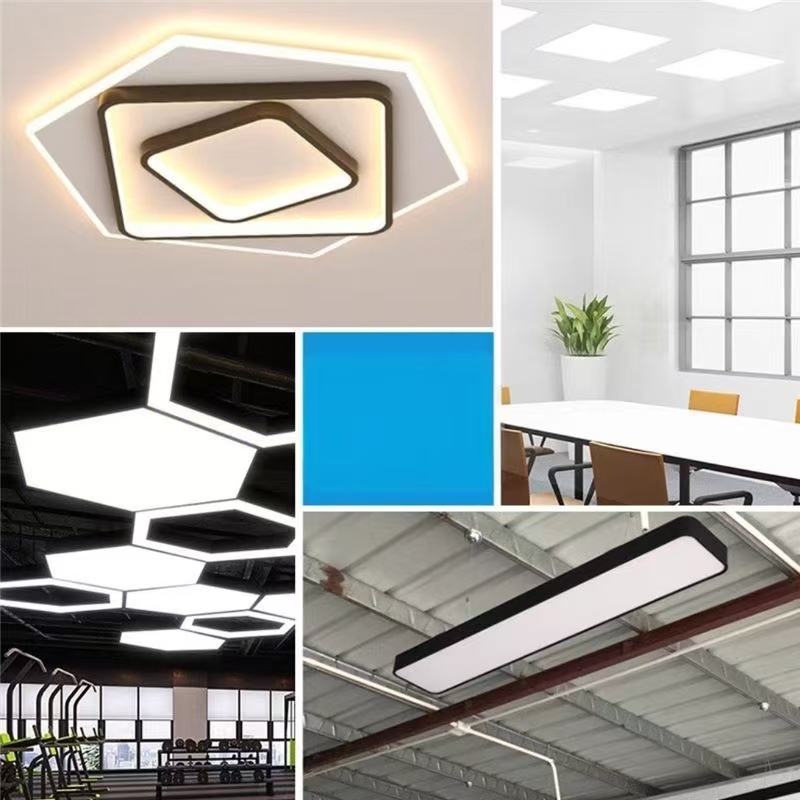
A good light diffuser panel doesn’t just soften light. It changes how the entire setup feels in the space.
Why Diffusion Matters More With LEDs
Older lighting systems were naturally softer because the light source itself was less concentrated. LEDs are different.
LEDs produce very directional, concentrated light. That’s great for efficiency, but it also means imperfections show up quickly if the diffusion isn’t handled properly.
Without a proper diffuser, you usually end up with:
- Visible hotspots
- Glare
- Uneven spread
- Harsh reflections
- A “cheap†looking finish
Even high-quality LEDs can look disappointing if the diffuser panel isn’t matched correctly.
That’s why choosing the right LED light diffuser panel matters more now than it did with older lighting technologies.
Polycarbonate vs Acrylic Diffuser Panels
Most projects eventually narrow down to two materials:
- Polycarbonate
- Acrylic (PMMA)
Both are widely used in the lighting industry. Both can work well. But they behave very differently once they’re actually installed and used long term.
And this is where many buyers end up making the wrong decision—not because they chose a “bad†material, but because they chose the wrong one for the environment.
Polycarbonate Light Diffuser Panels
A polycarbonate light diffuser is usually chosen for durability.
You notice the difference immediately when handling it. Polycarbonate has flexibility to it. It absorbs stress instead of cracking under it, which makes installation more forgiving and long-term use more reliable.
That becomes important in real projects because lighting panels rarely stay untouched forever. Frames shift slightly, temperatures change, installations aren’t always perfectly even, and maintenance work happens around the fixtures.
Polycarbonate handles those conditions much better than acrylic.
That’s one reason commercial projects often prefer it.
You’ll commonly see polycarbonate diffuser panels used in:
- Office ceilings
- Public buildings
- Commercial lighting systems
- Industrial environments
- High-traffic areas
- LED panel lights
Another advantage is heat resistance. LED systems may run cooler than older lighting technologies, but they still generate heat over long operating hours. Polycarbonate generally handles prolonged exposure better, especially in enclosed fixtures.
The upfront cost is higher, but the material usually stays stable for much longer.
Acrylic Diffuser Panels
Acrylic diffuser panels are popular for a different reason.
They look extremely clean.
Acrylic has excellent optical clarity and allows very high light transmission, which helps maximize brightness. For projects where appearance is the top priority, acrylic often looks more refined initially.
It’s also cheaper, which matters for budget-sensitive installations.
That’s why acrylic is common in:
- Decorative lighting
- Retail displays
- Residential fixtures
- Light-duty indoor applications
But acrylic has limitations.
It’s more brittle than polycarbonate, and that becomes noticeable once the material experiences stress. Tight installation tolerances, small frame movements, or temperature fluctuations can eventually lead to cracking.
Not always immediately. Sometimes the panel looks fine for months before issues appear.
That delayed failure is what frustrates many buyers.
Acrylic works well when the environment is stable and controlled. It just has less tolerance for real-world abuse.
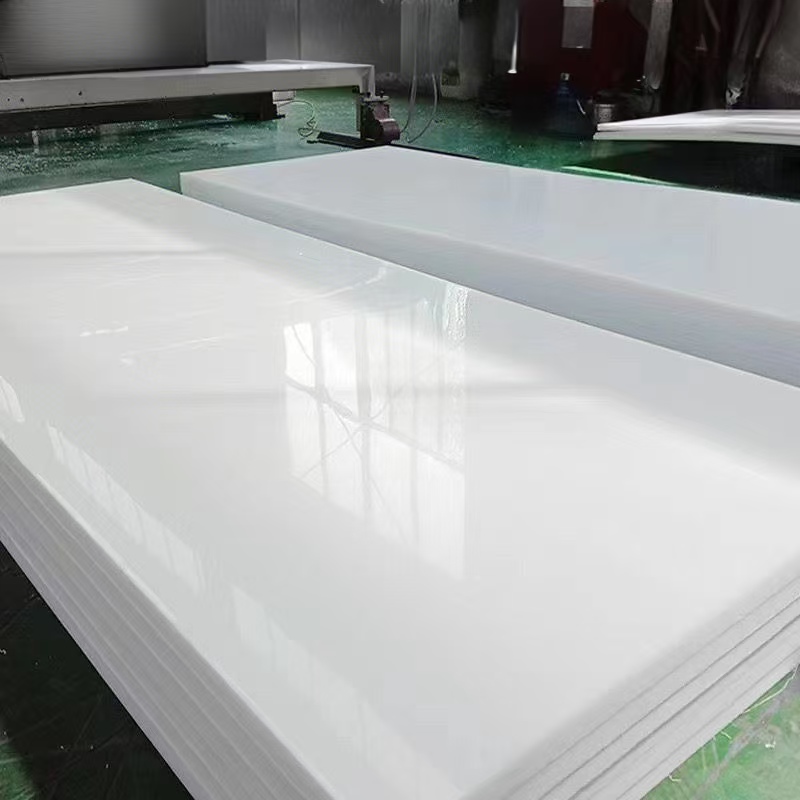
Acrylic vs Polycarbonate Diffuser — Side-by-Side Comparison
Looking at specifications individually doesn’t always help. It’s easier to compare how both materials behave in actual applications.
| Feature | Polycarbonate Diffuser Panel | Acrylic Diffuser Panel |
|---|---|---|
| Impact Resistance | Very high | Moderate to low |
| Flexibility | Flexible under stress | More brittle |
| Durability | Long-term stable | More prone to cracking |
| Heat Resistance | Excellent | Moderate |
| Light Transmission | Slightly softer diffusion | Higher clarity |
| Weight | Lightweight | Lightweight |
| UV Resistance | Excellent with coating | Good |
| Maintenance | Low | Higher over time |
| Cost | Higher upfront | Lower upfront |
This is why the discussion around acrylic vs polycarbonate diffuser panels usually comes down to priorities rather than one material being universally better.
Why Some Projects Fail Even With Good Materials
One thing people often overlook is that material alone doesn’t guarantee good lighting.
You can choose premium polycarbonate and still end up with poor results if the diffuser finish, thickness, or spacing isn’t right.
That happens more often than suppliers admit.
Surface Finish Changes the Entire Look
The finish of the diffuser affects how light spreads across the surface.
And in many cases, this changes the appearance more than the material itself.
Frosted Diffuser Panels
Frosted finishes are probably the most common option today.
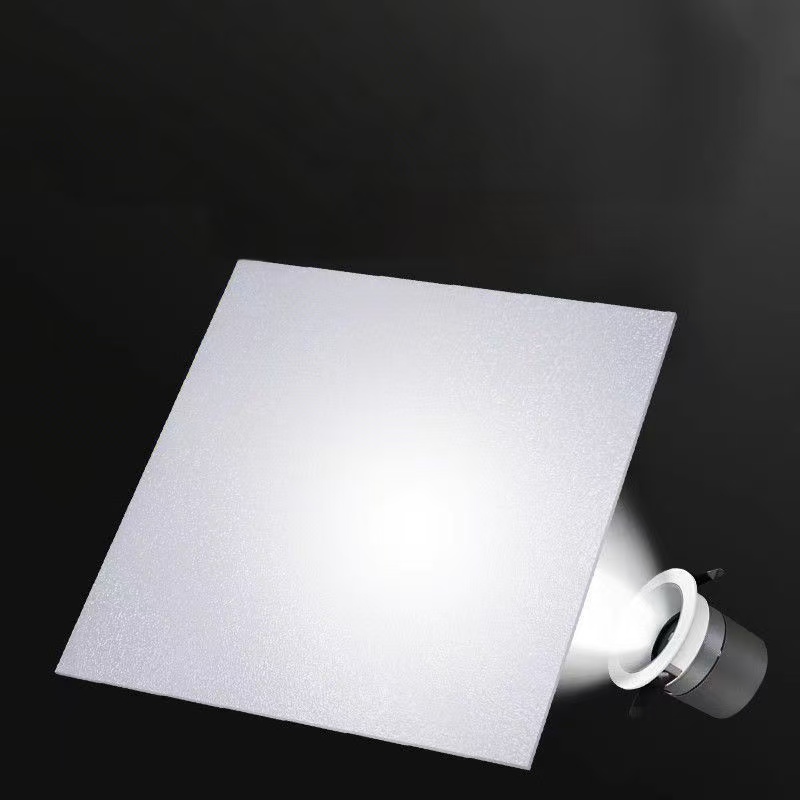
They soften light evenly, reduce glare, and create a clean appearance without making the fixture look dim.
That balance is why frosted panels are widely used in:
- Offices
- Schools
- Residential lighting
- LED ceiling panels
For general-purpose lighting, this is usually the safest choice.
Prismatic Diffuser Panels
Prismatic panels use textured surfaces to redirect and scatter light more aggressively.
They’re more functional than decorative.
These panels work especially well in large commercial spaces where wider light distribution matters more than a perfectly smooth appearance.
Opal Diffuser Panels
Opal finishes sit somewhere between frosted and fully opaque.
They soften LED points effectively while still allowing decent brightness levels.
For buyers who want balanced diffusion without dramatically reducing output, opal panels are often a practical middle ground.
Thickness Makes a Bigger Difference Than Most Buyers Expect
Many lighting issues come from choosing the wrong panel thickness.
Thin panels transmit more light, but they can flex too easily and sometimes reveal LED hotspots more clearly.
Thicker panels improve diffusion and rigidity, but they can reduce brightness if pushed too far.
Most LED diffuser applications fall somewhere between 2mm and 4mm, depending on:
- LED spacing
- Fixture depth
- Desired diffusion effect
- Structural requirements
There isn’t one “perfect†thickness. It depends on how the lighting system is designed.
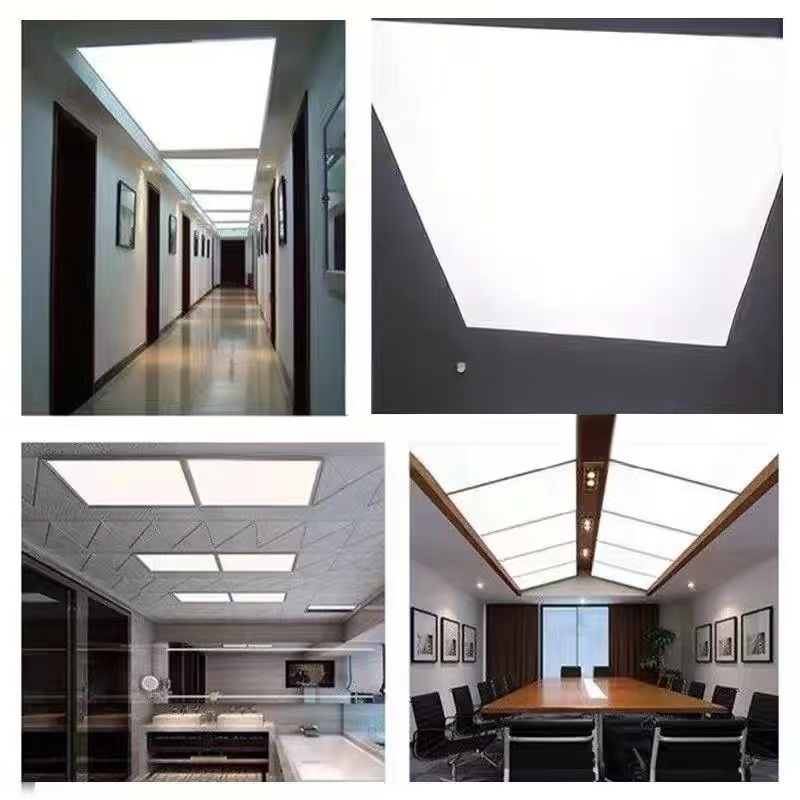
Environment Usually Decides the Best Material
Acrylic and polycarbonate behave very differently depending on where they’re installed.
That’s why experienced buyers usually start with the environment first—not the spec sheet.
In commercial offices, maintenance becomes expensive very quickly. Replacing cracked diffuser panels across dozens of ceiling fixtures costs far more than the original material difference.
That’s one reason polycarbonate becomes attractive for long-term projects.
Retail displays are different. Appearance matters more, conditions are controlled, and panels aren’t exposed to much physical stress. Acrylic often performs perfectly well there.
Industrial settings are another story entirely.
Once panels are exposed to vibration, occasional impact, temperature changes, or maintenance activity, weaker materials show their limits quickly.
Outdoor applications push things even further. UV exposure and weather fluctuations demand materials that can stay stable long term.
That’s where polycarbonate usually separates itself.
Cost Looks Different After a Few Years
At first glance, acrylic often seems like the obvious choice because the initial purchase cost is lower.
But projects rarely end at the purchase stage.
If panels crack, discolor, or need replacement later, the total cost changes quickly—especially when labor and downtime are involved.
That’s why many commercial buyers stop looking only at upfront pricing and start focusing on lifespan instead.
A polycarbonate light diffuser panel may cost more initially, but the longer service life often offsets that difference over time.
So Which Light Diffuser Panel Makes More Sense?
There isn’t one answer for every project.
If the application is simple, indoors, and relatively low stress, acrylic diffuser panels can work perfectly well and help reduce upfront cost.
But if durability, long-term stability, and reduced maintenance matter more, polycarbonate usually becomes the safer investment.
That’s ultimately why so many commercial and industrial lighting systems continue moving toward polycarbonate diffuser materials.
Not because acrylic is unusable—but because real-world conditions tend to favor materials that tolerate stress better over time.
FAQ
1. Are acrylic diffuser panels more likely to crack?
Yes. Acrylic is more brittle than polycarbonate and can crack under stress, temperature changes, or improper installation.
2. Does polycarbonate yellow over time?
High-quality polycarbonate with UV protection is designed to resist yellowing for long-term use.
3. What thickness is best for LED diffuser panels?
Most LED diffuser panels use 2mm–4mm thickness, depending on the lighting design and diffusion requirements.
4. Why do commercial projects prefer polycarbonate diffuser panels?
Polycarbonate handles heat, impact, and long-term use better, making it ideal for commercial LED lighting systems.