Free Inquiry Now !

If you own a pool, you probably already know something most people don’t realize until after installation:
A swimming pool is great when you’re using it. It’s work when you’re not.
Leaves collect overnight. Dust blows in. Water temperature drops faster than expected. Evaporation becomes a hidden expense. And if you have children or pets around, safety becomes something you think about more often than you’d like.
That’s why more pool owners are moving beyond traditional tarps, bubble blankets, and basic mesh covers—and looking at something far more durable:
polycarbonate pool covers.
At first glance, they look like a premium upgrade. But for many homeowners, hotels, and commercial pool operators, they’re less about luxury and more about practicality.
The real question is:
Is a polycarbonate pool cover actually worth the investment, or is it just another expensive add-on?
After seeing how these covers perform in real-world use, the answer depends on one thing—what you expect from your pool.
What Is a Polycarbonate Pool Cover?
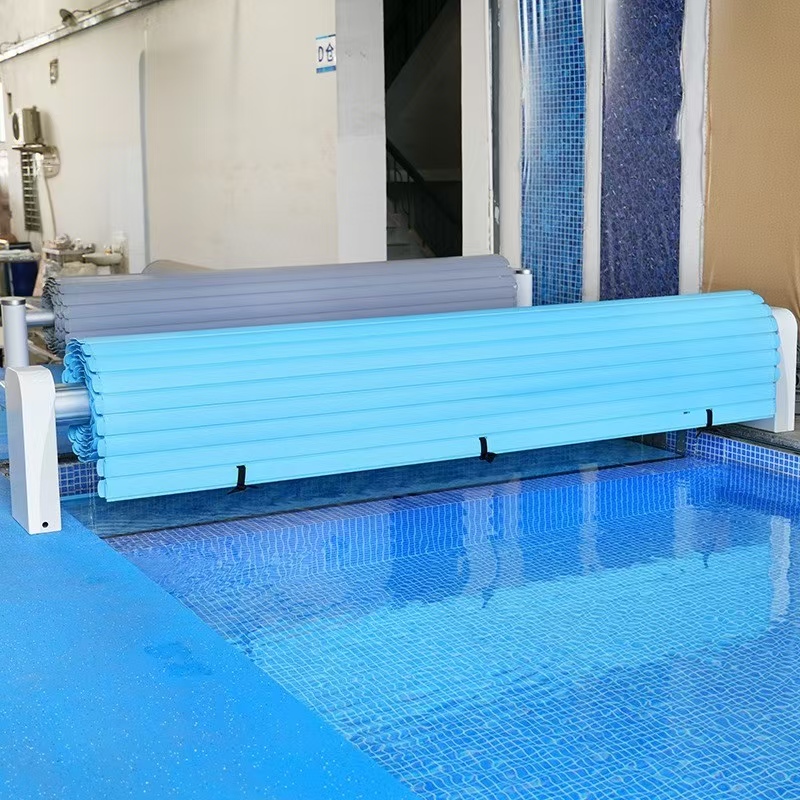
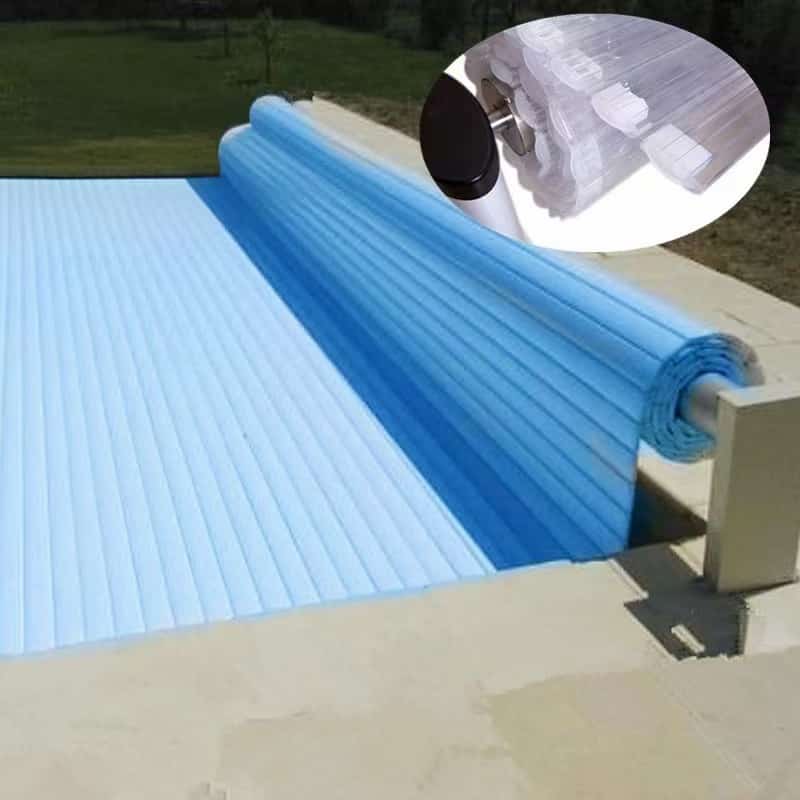
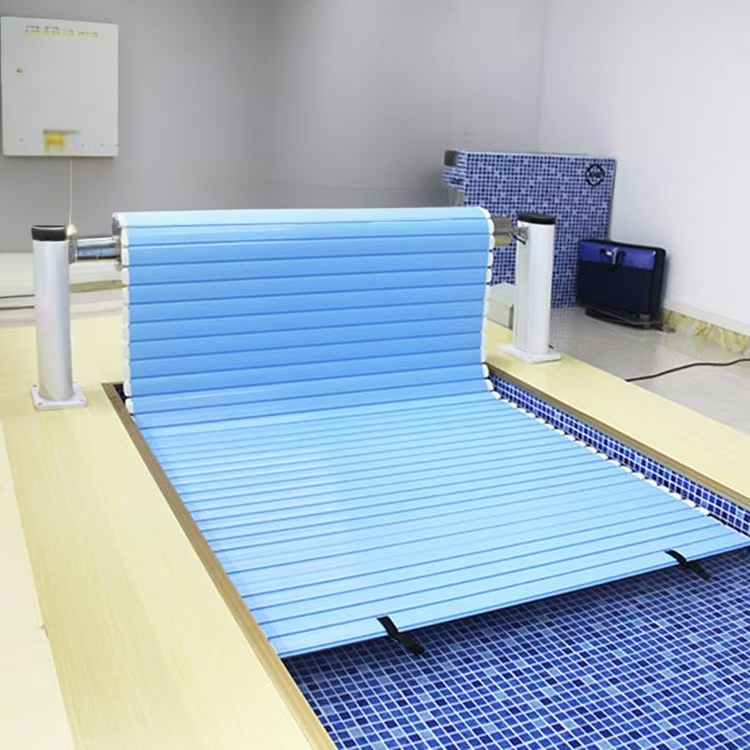
A polycarbonate pool cover is a rigid pool enclosure or retractable cover system made with aluminum framing and polycarbonate panels.
Unlike soft pool covers that simply lie on the water surface, these systems create a physical structure over the pool.
Depending on the design, they can be:
- Low-profile covers that sit close to the water
- High enclosures that create a walk-in indoor pool space
- Telescopic covers that slide open and closed
- Fixed covers designed for year-round protection
The polycarbonate panels themselves are what make the difference.
Polycarbonate is lightweight compared to glass, but significantly more impact-resistant. It handles UV exposure well, resists weather damage, and offers insulation properties that traditional covers simply can’t match.
That’s why you’ll often see polycarbonate used not just in pool covers, but in:
- greenhouse roofing
- skylights
- industrial glazing
- security panels
- architectural enclosures
In pool applications, it gives owners something soft covers cannot:
structure, insulation, visibility, and long-term durability in one system.
Why Traditional Pool Covers Stop Working for Many Owners
Most people start simple.
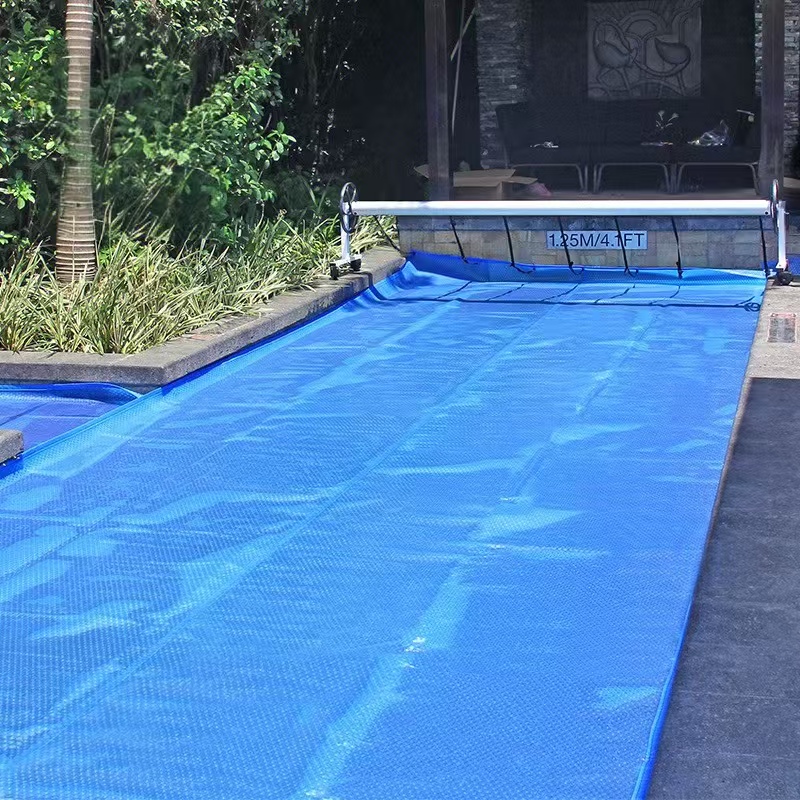
They buy a solar blanket. Or a basic tarp cover. Maybe a roller system.
And for a while, it works.
Until real-life pool ownership kicks in.
You remove the cover every time you want to swim.
You drag wet material across the deck.
Wind lifts corners.
Leaves still get underneath.
The cover starts degrading after seasons in the sun.
Eventually, many pool owners realize they’re not really solving the problem—they’re just reducing it.
A polycarbonate swimming pool cover changes the equation because it does more than cover water.
It protects the entire pool environment.
That means:
- less debris entering
- better heat retention
- reduced evaporation
- improved safety
- cleaner water
- lower maintenance
And in some cases, you can even swim with the enclosure partially or fully closed.
That’s a completely different experience from dealing with a floating pool blanket.
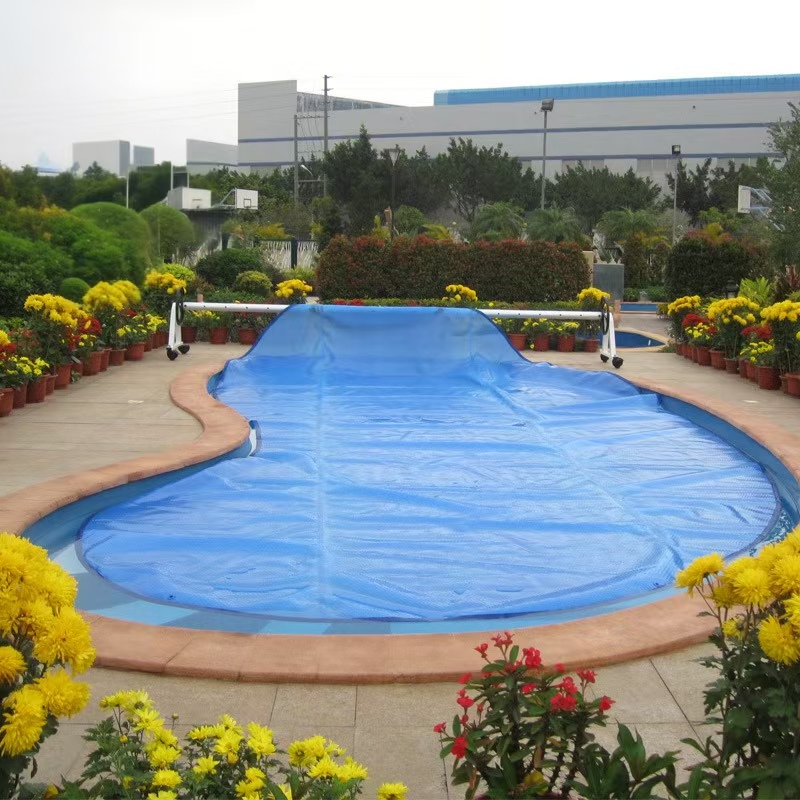
The Biggest Benefit of the Polycarbonate Pool Cover: Water Stays Warmer for Longer
Ask pool owners what they notice first after installing a polycarbonate cover, and many will tell you the same thing:
the water stays warm.
That’s because heat loss in pools usually happens in three ways:
- Evaporation
- Nighttime air exposure
- Wind cooling
A polycarbonate cover reduces all three.
The enclosed air creates a greenhouse effect during the day, trapping solar heat.
At night, the structure slows heat loss and blocks wind exposure.
Compared with an uncovered pool, water temperatures can stay significantly higher—sometimes enough to extend swimming season by weeks or even months depending on climate.
For heated pools, this matters even more.
Because every degree you keep is a degree you don’t pay to replace.
You’ll Spend Less Time Cleaning
This is one of those benefits that sounds minor—until you live with it.
Open pools collect everything.
Leaves.
Dust.
Pollen.
Insects.
Rainborne debris.
If you’ve ever spent weekends skimming instead of swimming, you know how frustrating that gets.
A polycarbonate pool enclosure dramatically reduces contamination entering the water.
That means:
- less manual cleaning
- reduced filter load
- lower pump strain
- cleaner pool surfaces
- fewer clogged skimmers
For people in windy areas, tree-heavy properties, or dusty climates, this alone can be worth the investment.
A pool that stays cleaner is a pool that gets used more.
It Also Helps Reduce Water Loss
Many pool owners underestimate how much water they lose through evaporation.
In hot climates, especially with wind exposure, evaporation can become a constant issue.
You refill.
Then refill again.
And over time, that affects:
- water bills
- chemical balance
- heating efficiency
A polycarbonate pool cover helps trap moisture and reduce evaporation significantly.
That means:
- less topping off
- more stable water chemistry
- reduced chemical waste
- better energy efficiency
This is especially useful in regions where water conservation matters—or where utility costs are rising.
Safety Is a Bigger Factor Than Most Buyers Expect
Some people start looking at a polycarbonate cover for heat retention.
Others buy one because of maintenance.
But for families?
Safety often becomes the real reason.
A properly engineered polycarbonate swimming pool cover system creates a physical barrier between the pool and the surrounding area.
That reduces the risk of:
- accidental falls
- unsupervised child access
- pet accidents
- weather-related debris hazards
Of course, not all pool covers are safety-rated the same way.
Design, locking systems, structural strength, and installation quality matter.
But compared with lightweight floating covers, rigid enclosure systems provide a much higher level of protection.
And for many homeowners, peace of mind is worth more than energy savings.
They cost more, but they offer a very different experience.
For some owners, it’s no longer just a pool cover—it becomes a pool room.
Many modern designs are trackless or use low-profile guidance systems, which improves aesthetics and reduces trip hazards.
What Many Suppliers Don’t Tell You
This is where buyers make mistakes.
Not all polycarbonate pool covers perform the same.
A lot depends on what’s inside the structure—not just what it looks like in photos.
Things that matter:
Polycarbonate panel quality
Cheap panels yellow faster, lose clarity, or become brittle.
Look for:
- UV-protected panels
- multiwall insulation options
- impact resistance ratings
- weather-tested material
Aluminum frame quality
A weak frame creates long-term problems.
Wind load and structural integrity matter more than buyers realize.
Track system design
Poor tracks collect dirt, jam, and become maintenance headaches.
Some trackless designs solve this.
Others don’t.
Installation quality
Even a good cover performs badly if installed incorrectly.
Alignment, sealing, drainage, and anchoring all matter.
This is not a product where “cheap installation†usually ends well.
How to Choose the Right Polycarbonate Pool Cover
Before buying, ask yourself:
Do I want a cover—or do I want to change how my pool works?
That’s the real decision.
Then consider:
- Pool size
- Climate
- Wind exposure
- Safety concerns
- Desired appearance
- Manual vs telescopic operation
- Low vs high enclosure
- Budget
- Installation support
- Warranty
Don’t buy based only on photos.
Ask for:
- material specifications
- structural ratings
- panel thickness
- wind load data
- warranty details
- real installation examples
That tells you much more than marketing brochures.
conclusion
A polycarbonate pool cover isn’t the cheapest way to cover a pool.
It’s not supposed to be.
It’s designed for pool owners who want more than basic protection.
More warmth.
Less cleaning.
Better safety.
Lower evaporation.
Longer swimming seasons.
And in many cases, a pool that simply becomes easier to own.
That’s why more homeowners, resorts, and commercial pool operators are choosing polycarbonate pool covers in 2026.
Not because they look impressive.
But because after a few seasons of dealing with ordinary covers, many people realize something simple:
If you want to own a better pool cover,feel free to contract us —it will change your whole experience .