Free Inquiry Now !

Most Pool Owners Cover Their Swimming Pool Wrong — Here’s What Actually Works
If you own a swimming pool long enough, you eventually learn one thing the expensive way:
A bad pool cover causes almost as many problems as having no cover at all.
I’ve seen pool owners spend thousands every year on heating, chemicals, algae cleanup, and replacement liners — while still trying to save money by buying the cheapest cover they can find online.
At first, it looks fine.
Six months later, the edges start curling. Wind gets underneath. Rainwater collects in the middle. The material turns brittle under UV exposure. Then one storm tears the entire thing apart.
The truth is, covering a swimming pool properly isn’t complicated. But choosing the right cover for your climate, pool type, and daily use makes a massive difference in how much maintenance, money, and frustration you deal with later.
This guide breaks down what actually works in real-world conditions — not just what looks good in product photos.
Why Most Pool Covers Fail Early
A lot of people assume pool covers fail because of “poor quality.â€
Sometimes that’s true.
But more often, the real problem is mismatch.
The wrong cover gets used in the wrong environment.
For example:
- Lightweight bubble covers used in windy areas
- Cheap tarp-style covers left outside year-round
- Thin material exposed to extreme UV in hot climates
- Covers installed without proper anchoring
- Mesh covers used under heavy tree coverage
Even a decent cover won’t survive long under those conditions.
In places like Arizona, Dubai, or Southern Europe, sunlight destroys low-grade materials surprisingly fast. Some inexpensive blue bubble covers become brittle after a single summer.
On the other hand, I’ve seen properly installed heavy-duty safety covers last well over ten years with minimal issues.
The difference usually comes down to material choice and installation.
The First Question: What Are You Actually Trying to Solve?
This is where most buying guides get it wrong.
They immediately start comparing products without asking what problem you’re trying to fix.
Because not every pool owner needs the same thing.
Some want to reduce heating costs.
Some care more about safety.
Others are tired of cleaning leaves every morning.
And commercial pools often prioritize durability above everything else.
Before choosing a cover, identify your main priority first.
| Your Main Problem | Best Cover Type |
|---|---|
| Water evaporation & heat loss | Solar cover |
| Child or pet safety | Safety cover |
| Strong wind exposure | Mesh or rigid cover |
| Heavy debris & falling leaves | Solid winter cover |
| Luxury convenience | Automatic cover |
| Longest lifespan | Polycarbonate cover |
That one decision alone eliminates half the bad options immediately.
Solar Covers: Cheap to Buy, Expensive to Replace
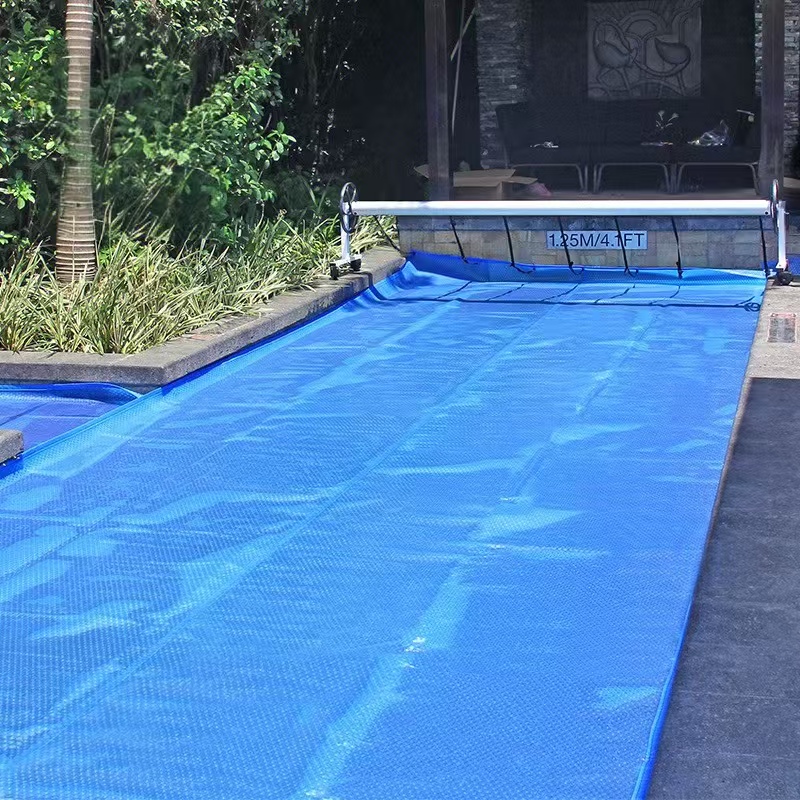
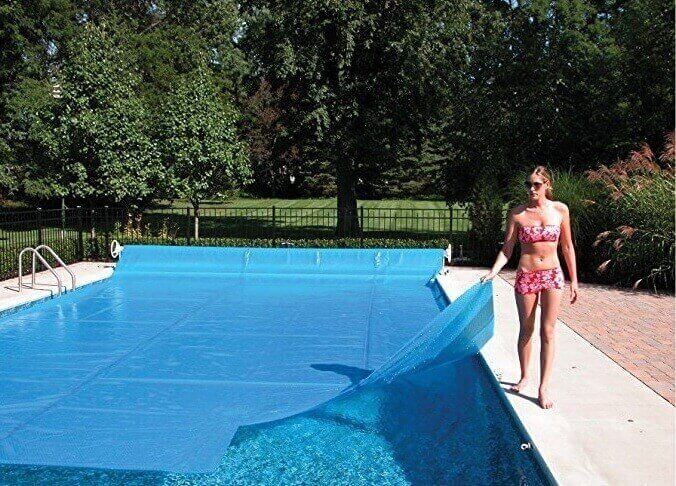
Solar covers are popular because they’re inexpensive and easy to use.
They float directly on the water and help trap heat.
In warm climates, they can noticeably reduce evaporation and heating costs.
But here’s the part many sellers don’t mention:
Most lightweight solar covers don’t age well under constant UV exposure.
Especially thinner versions.
If your pool gets full sun every day, expect lower-end covers to weaken much faster than advertised.
Wind is another issue.
In open backyards or coastal areas, lightweight covers constantly shift around unless paired with a reel system.
They work best when:
- You use the pool frequently
- The weather is relatively calm
- Your goal is mainly heat retention
They are not ideal for long-term winter protection.
Safety Covers: The Option Most Families End Up Choosing
Families with children usually regret delaying a proper safety cover.
Because once safety becomes the priority, the buying decision gets much simpler.
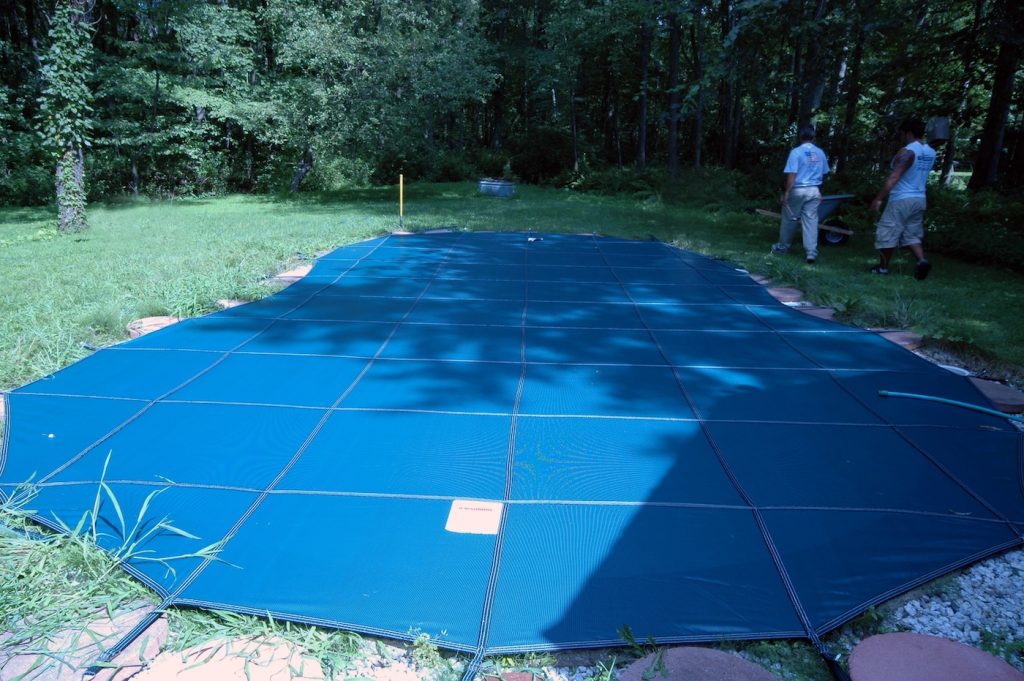
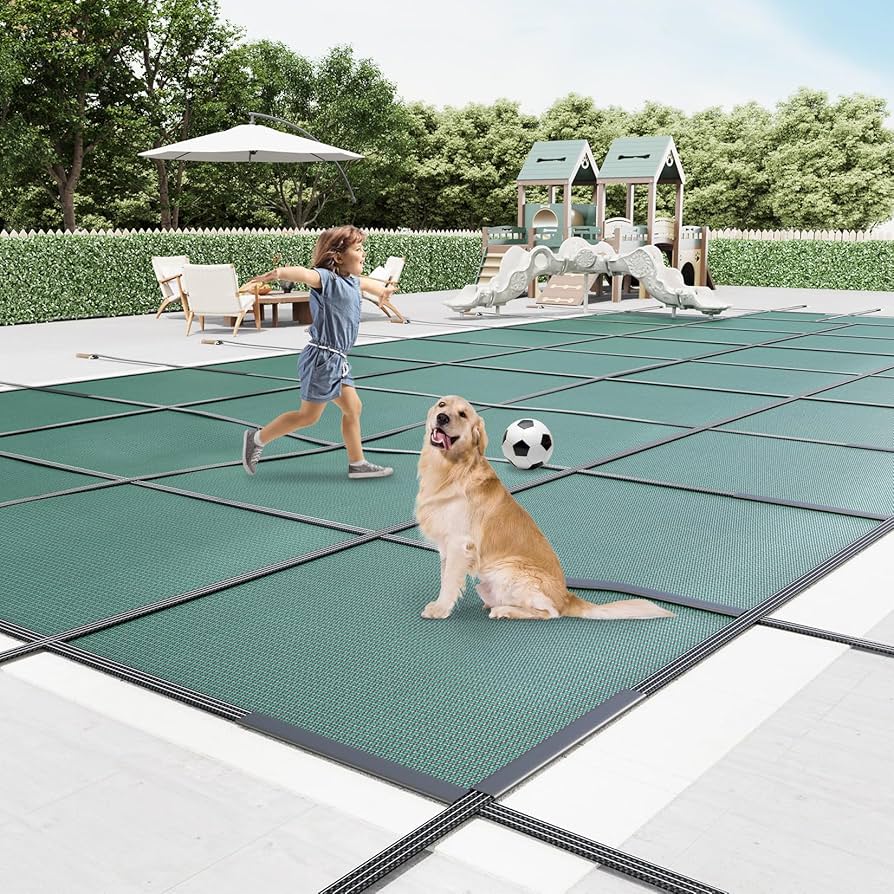
A real safety cover anchors tightly around the pool perimeter and can support significant weight.
That matters more than most people realize.
Especially during parties, weekends, or when kids are playing near the pool area unsupervised.
There are two common types:
Mesh Safety Covers
These allow rainwater to drain through while blocking leaves and debris.
They’re popular in windy or rainy regions because water doesn’t collect on top.
But very fine dirt can still pass through over time.
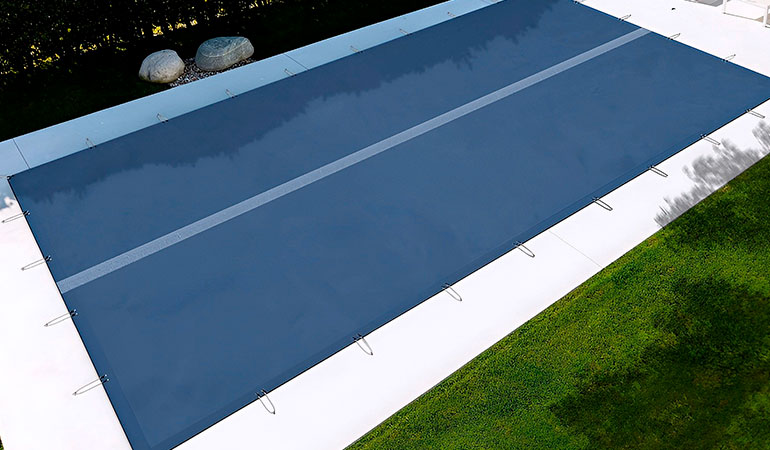
Solid Safety Covers
These block sunlight completely, which helps reduce algae growth during winter.
They’re usually better for pools surrounded by trees.
The downside?
Standing water must be removed periodically with a pump.
Automatic Covers: Convenient, But Not Maintenance-Free
Automatic covers look impressive for a reason.
Press a button and the pool closes in under a minute.
For homeowners who swim daily, the convenience is genuinely valuable.
No dragging heavy material.
No folding wet covers.
No storage problems.
But automatic systems aren’t “install and forget†products.
Tracks require cleaning.
Motors eventually wear out.
And poor installation causes many of the problems owners complain about later.
In my experience, automatic covers make the most sense for:
- High-end residential pools
- Hotels and resorts
- Homeowners who use the pool constantly
For occasional swimmers, the added cost often doesn’t justify itself.
Why Polycarbonate Covers Are Becoming More Popular
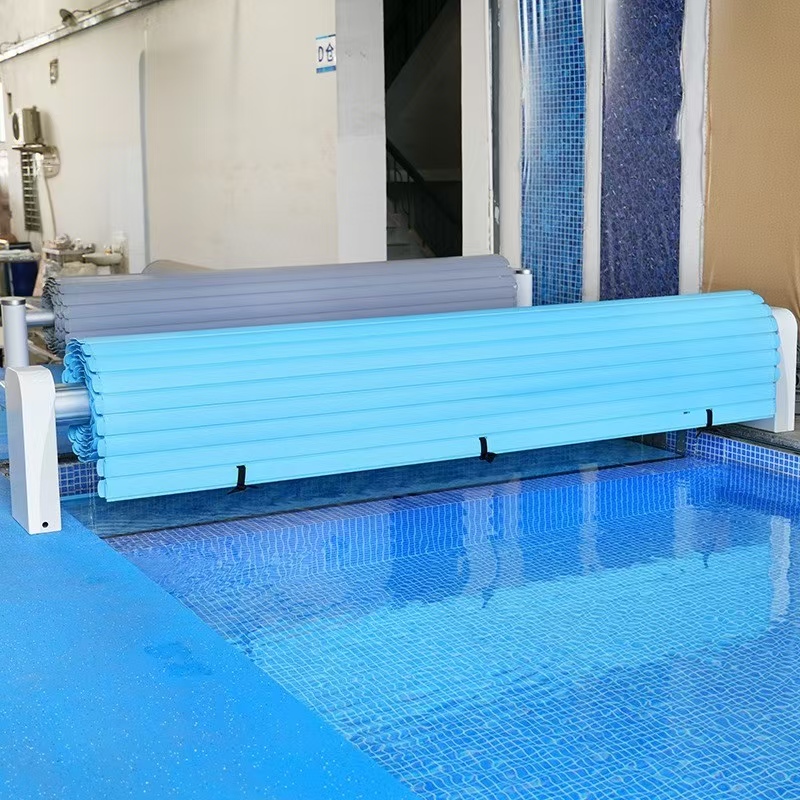
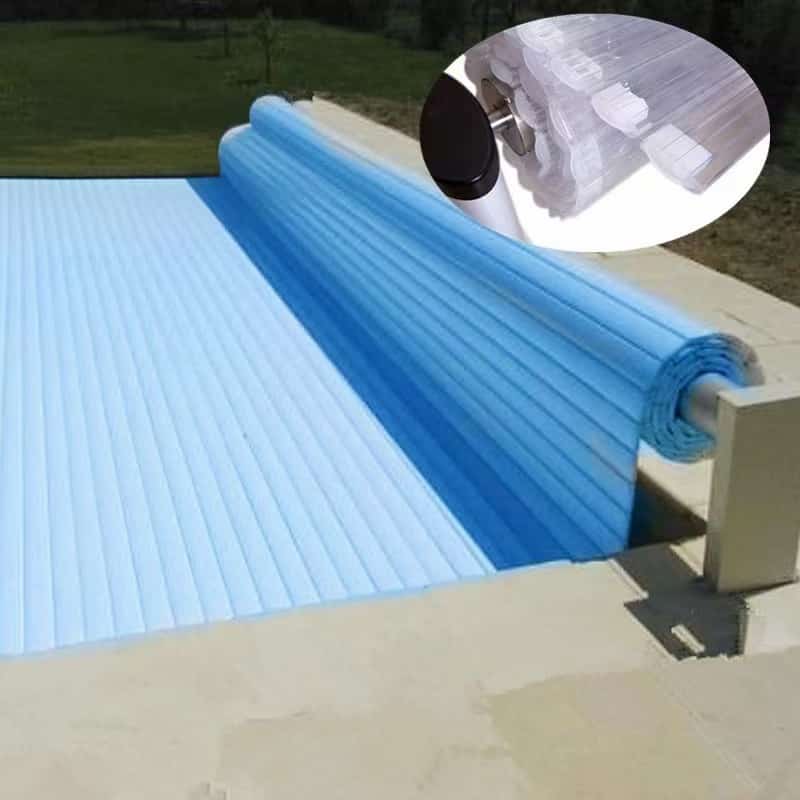
Rigid polycarbonate pool covers are increasingly used in premium residential and commercial projects.
Unlike fabric covers, they use interlocking solid panels that handle weather far better over time.
They’re especially useful in:
- High-wind coastal areas
- Harsh UV environments
- Luxury pool installations
- Commercial properties needing long service life
The upfront cost is higher.
But they solve many problems traditional covers struggle with:
- Less material sagging
- Better structural strength
- Longer lifespan
- Improved weather resistance
Some systems can last 15–20 years with proper maintenance.
That’s why more luxury homes are moving toward rigid cover systems instead of standard fabric covers.
Installation Mistakes That Ruin Pool Covers
Even expensive covers fail early when installed poorly.
The most common mistakes I see are surprisingly simple.
Incorrect Measurements
“Close enough†does not work with pool covers.
Small gaps create constant tension and wind movement that slowly destroys edges and anchor points.
Weak Anchoring
Hardware-store rope is not a long-term solution.
UV exposure weakens cheap tie-down materials quickly.
Professional-grade straps and anchors matter more than many buyers expect.
Ignoring Drainage
Water always finds the lowest point.
If water collects repeatedly in one area, the material stretches unevenly and wears out faster.
This is one reason solid covers fail prematurely.
So, What’s the Best Pool Cover?
There isn’t one universal answer.
The best pool cover depends entirely on:
- Your climate
- Your pool location
- How often you swim
- Your budget
- Whether safety matters most
- How much maintenance you’re willing to deal with
A cheap cover that lasts two seasons is often more expensive long-term than buying a better system once.
That’s the part many pool owners only realize later.
conclusion
A good pool cover should make pool ownership easier — not create another maintenance problem.
If you’re choosing a cover for the first time, focus less on marketing claims and more on real-world conditions.
Think about:
- Wind
- Sun exposure
- Trees nearby
- Daily use frequency
- Safety requirements
- Long-term replacement cost
And if you’re investing in a high-end cover system, proper installation matters just as much as the material itself.
Because in the pool industry, most expensive mistakes don’t happen when buying the cover.
They happen after it’s installed incorrectly.