Free Inquiry Now !

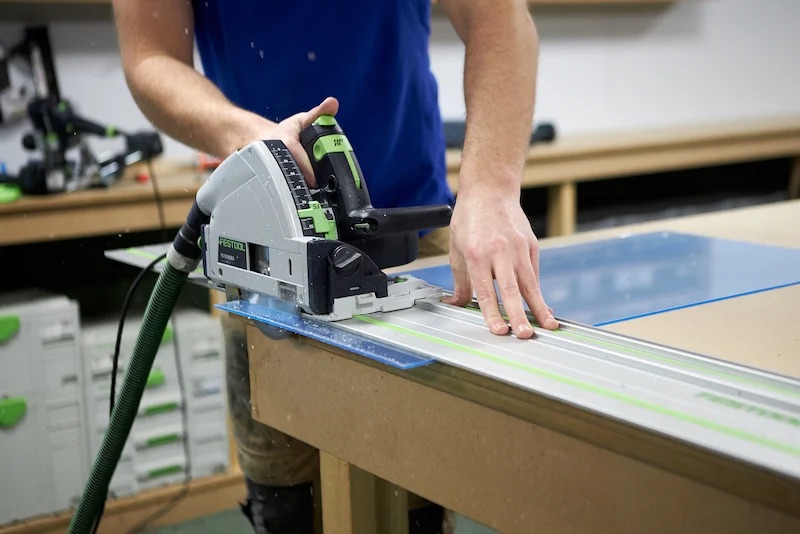
Polycarbonate Sheets Cutting is more art than meets the eye, with subtleties that can make or break a project. A poor cut can compromise both the appearance and the durability of the material. That’s why nailing down the precise cutting techniques is crucial for DIYers and trade professionals alike. This guide is your ticket from cutting novice to polycarbonate pro, covering everything from the essentials to the intricacies of advanced cutting methods.
From this article, you’ll discover how to sidestep typical cutting mishaps and refine your cutting capabilities. You’ll be ready to take on different kinds of cutting challenge that comes your way. Whether it’s constructing a home greenhouse or offering specialized material services for commercial projects like curtain walls, this guide will furnish you with the insights and expertise you need.
What is Polycarbonate material?
If we want to cut the polycarbonate boards, we must get some information about the properties of this kind of material. Strength calls for specific tools for clean cuts. Heat resistance means temperature control to avoid deformation. Transparency requires precision for aesthetics and functionality.
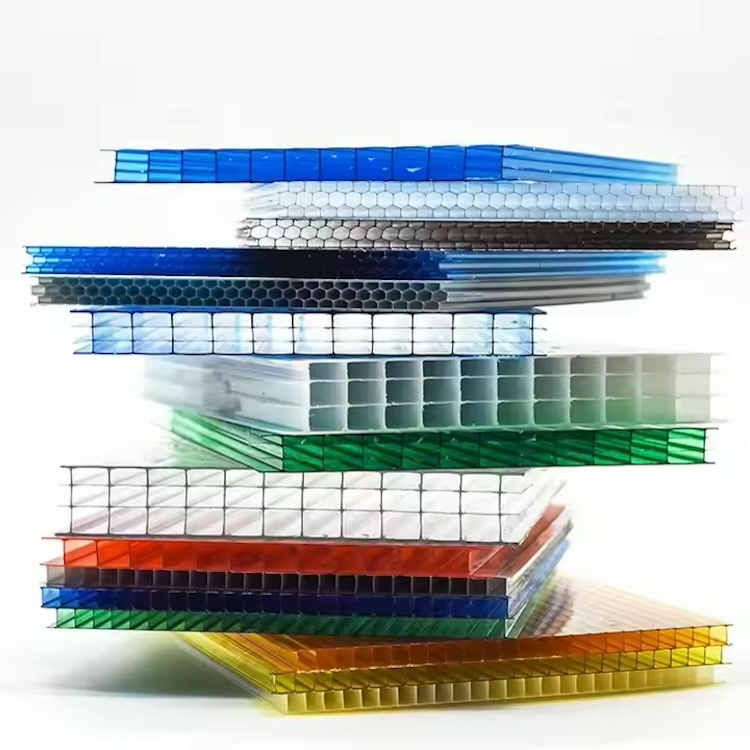
Different thicknesses suit different scenarios. Thin sheets, 1mm to 3mm, just like twin wall boards, are for small structures or decorations. Thicker sheets, over 6mm, just like multi layers sheets handle more weight or pressure. Examples include carports, awnings, and security barriers. Knowing your project’s needs and the sheet’s features is key to success.
Preparation of Polycarbonate Sheets Cutting
Before we start cutting polycarbonate sheets, thorough preparation is essential. We start with precise measurement and planning of the sheets. This involves calculating the spacing to ensure each piece fits perfectly, with no gaps or overlaps. This step is crucial; improper spacing can compromise aesthetics and structural stability.
Next, we need to consider the fasteners. Choosing the right fasteners not only secures the sheets firmly but also prevents unnecessary damage to the material. The selection should be based on the thickness and weight of the sheets, as well as the specific requirements of the installation environment.
Additionally, we must account for the thermal expansion and contraction of polycarbonate sheets due to temperature changes. Therefore, leaving an appropriate gap during cutting and installation is vital. This ensures normal expansion and contraction at different temperatures and prevents deformation or damage from compression or stretching. So this is about the sheets real use length and width, which we must make sure.
In short, preparation before cutting is about thinking thrice before acting. Accurate measurements, thoughtful planning, and adequate gaps are essential. This way, we can ensure that each cut piece is used precisely where it belongs, ensuring both safety and aesthetics.
Select Appropriate Tools
Different tools fit different type of sheets, each with its own strengths. Below, I’ll introduce each tool and their pros and cons in practical applications.
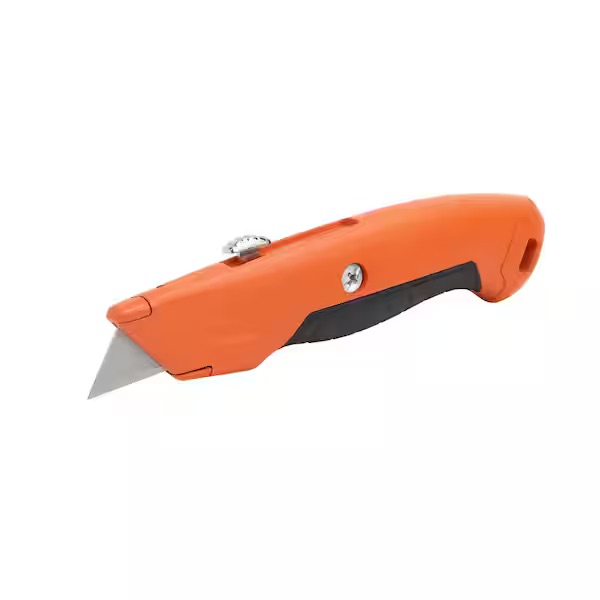
Utility knives are great for polycarbonate sheet cutting thin polycarbonate sheets. They’re easy to use and cost-effective, perfect for straight cuts and detailed work. However, they may not be suitable for thicker sheets as improper force control can lead to uneven cuts.
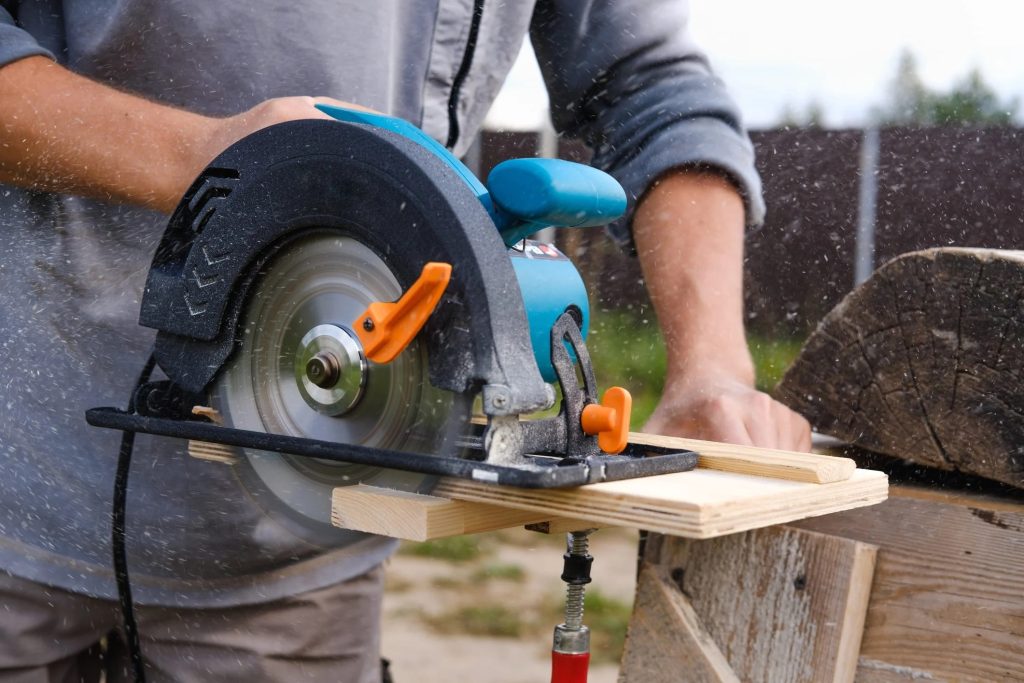
Circular saws are suitable for thicker sheets, especially when cutting multiple pieces at once. They offer fast cutting speeds and high efficiency but require skill to ensure a smooth cutting surface.
Jig saws offer more flexibility, ideal for curved or irregular shapes. They’re relatively easy to operate, but caution is needed to prevent sheet movement during cutting.
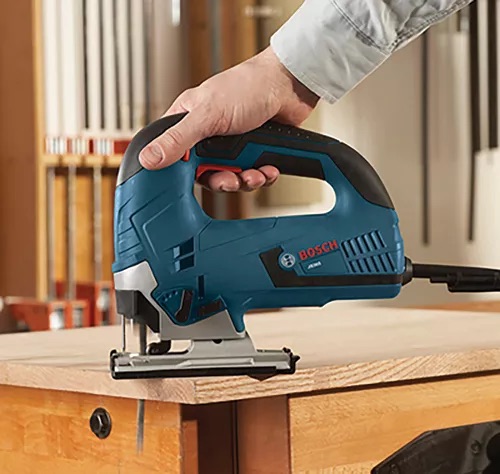
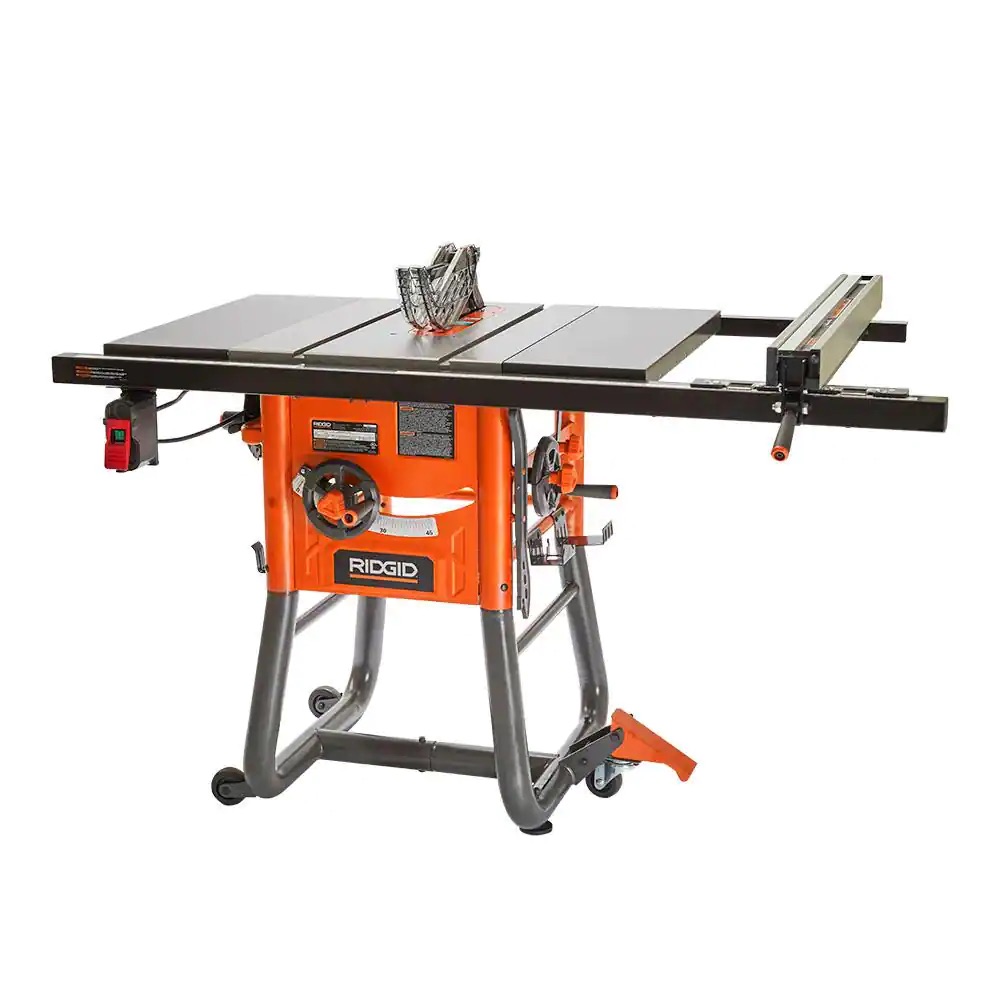
Table saws provide higher cutting accuracy, particularly for thick sheets that require straight cuts. They are stable but require more space and investment.
Band saws are suitable for complex shapes and thick sheets, offering smoother cutting edges. However, they are more complex to operate and costlier.
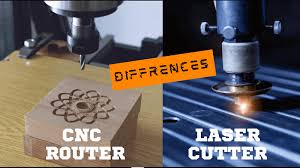
CNC routing and laser cutting are high-end cutting technologies. They provide extreme precision and the ability to create complex designs, perfect for mass production and customization. However, these machines are usually expensive and require specialized operational knowledge.
In summary, when choosing cutting tools, consider your specific needs, sheet thickness and shape, and your budget and technical skills. Each tool has its unique application scenarios. Understanding their characteristics can help you complete cutting tasks more efficiently and safely.
Steps of Cutting Polycarbonate sheets
Below, I’ll guide you through the entire cutting process, from preparation to cutting, and finally to edge finishing.
First, ensure your sheets are clean and dust free, preventing impurities from affecting the smoothness of the cut. Then, use a ruler and marker to outline the cutting line on the sheet. Remember, straight lines are essential for neat cuts.
Next, it’s time for polycarbonate sheet cutting. If using a utility knife, gently score along the marked line, repeating until the sheet can be cleanly snapped along the score. When using a circular saw, ensure the blade speed is moderate and advance slowly and steadily to prevent melting or cracking the sheet.
After cutting, edge finishing is crucial. Gently sand the cut with sandpaper to remove any burrs, ensuring a smooth, hand-friendly edge. For more refined edges, use chamfering tools or an edge grinder for further processing.
Each tool has specific operating instructions. For instance, when using a jigsaw, control the speed to avoid vibrations or sheet movement due to excessive speed. With a table saw, ensure the sheet is securely fastened to prevent movement during cutting.
Safety Guide for Cutting Polycarbonate Sheets
Firstly, personal protective equipment (PPE) is a must. We need to wear safety goggles and gloves to shield eyes from flying debris and protect hands from cuts and improve tool grip. Additionally, preparing proper work clothes and closed toe shoes is essential to safeguard skin and feet from harm.
Next, proper airflow is key to avoiding the inhalation of dust and chemical particles. When you are cutting polycarbonate sheets, dust is a possibility, so it’s important to have good air movement in your workspace.
With power tools, always adhere to the user manual and make sure that all safety features are engaged. For noisy tools such as circular saws and jigsaws, wearing ear protection is essential for your auditory health.
A clean and orderly work area is imperative for safety. Disorder can lead to accidents, so keep your tools and materials handy but clear of your workspace to prevent any hindrance to movement.
Finally, never work in isolation. Having at least one other person present can be crucial for emergency assistance.
Bear in mind, accidents are often the result of carelessness. Following these fundamental safety practices safeguards not only you but also those around you. Safe work practices lead to productive work.