Free Inquiry Now !
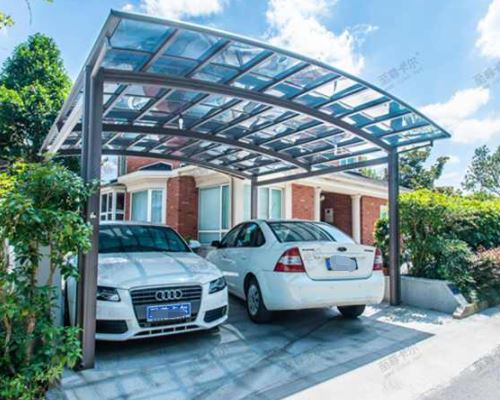

A carport’s not rocket science—few posts, a roof, done. But swap that metal or fabric roof for polycarbonate, and you’ll notice the difference the first time you pull in. Here’s what actually changes.
1. A Polycarbonate Carport Blocks the Bad UV, Keeps the Good Light
Polycarbonate forms a molecular-level UV protective layer on the sheet surface through co-extrusion technology, rather than a simple coating, thereby inherently blocking 99.9% of UVA and UVB ultraviolet rays to prevent yellowing, embrittlement, and photo-oxidative degradation of the material itself. At the same time, it maintains 85-90% visible light transmittance, comparable to glass, creating bright and naturally lit sheltered spaces. Some products further employ nano-prismatic layers to diffuse light, eliminating glare hotspots and enhancing visual comfort.
2.The Polycarbonate Carport Can Take a Hit
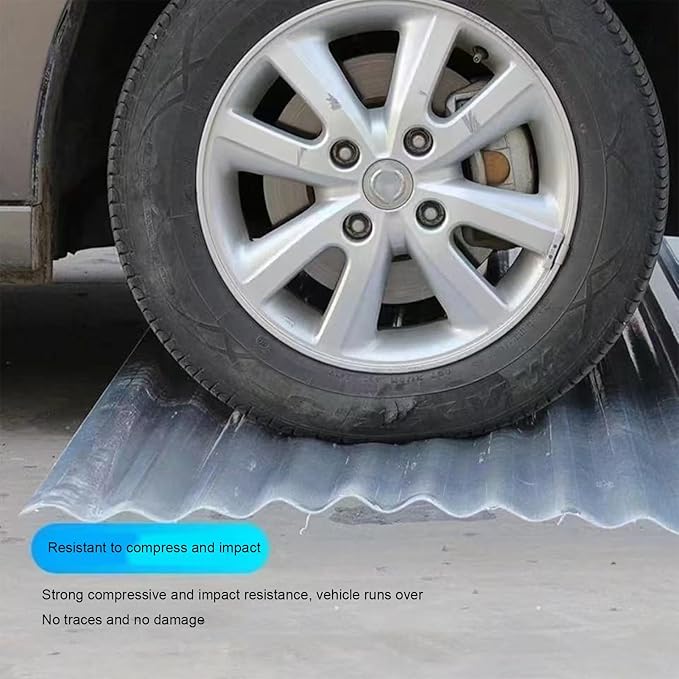
Polycarbonate is the same material used in safety glasses and riot shields.and that translates to real-world protection: when the neighbor’s tree drops a branch, when hail comes through, when wind throws debris around—this stuff absorbs it. and a contractor in Colorado mentioned his panels survived hailstorms without a mark, while metal roofs in the same neighborhood got dented . Unlike glass, it won’t shatter. Unlike cheap plastic, it doesn’t crack in the cold.
3.You Get Shade Without the Darkness
Metal roofs block everything—light, view, they make the space underneath feel closed in and polycarbonate gives you actual daylight filtered through. It’s the difference between parking under a tree versus parking in a tin shed. The heat stays out, but the space feels open.
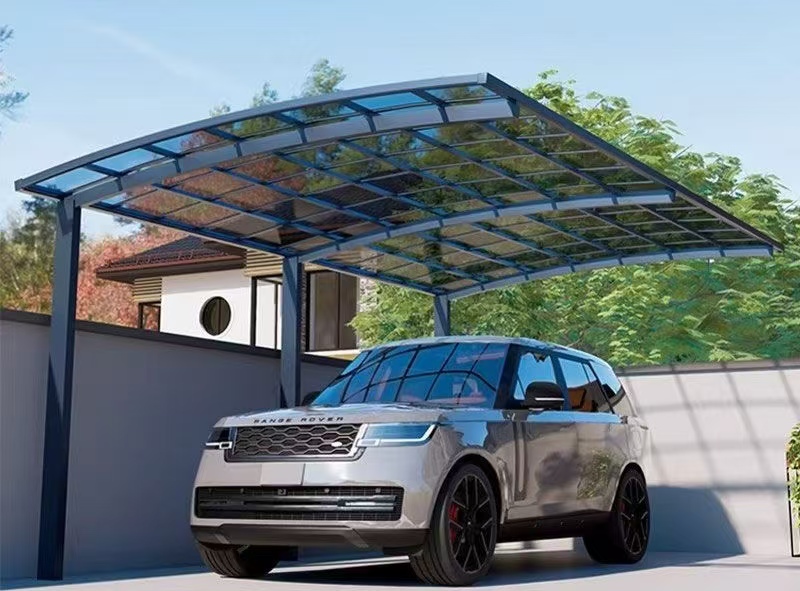
Polycarbonate vs. Metal: Real Talk
Both materials work, but they feel different in use.The weight difference matters more than people think. Lighter materials mean simpler foundations, faster installation, and usually lower labor costs . You’re not building a bunker—you’re building shelter.
| What You Notice | Polycarbonate | Metal |
| Weight | Light enough that one person can handle a panel | Heavy—needs more support structure, more labor |
| Light | Bright underneath, can see clearly | Dark, enclosed feeling |
| Rain Noise | Muffled sound | Can be loud enough to notice inside your house |
| Rust | Doesn’t happen | Eventually will, especially if the coating gets scratched |
| Look | Modern, clean lines | Industrial, utilitarian |
Picking the Right Panel
Not all polycarbonate is the same, and your choice depends on what you actually need.
Solid Sheets Thickest, strongest option. Looks almost like glass. Best if you live somewhere with serious weather or just want the most durable choice.
Twin-Wall Panels Two layers with air between them. Better temperature control underneath—your car stays cooler in summer, and the space doesn’t turn into an oven.
Corrugated Sheets The wavy ones you see everywhere. Channels water off well, installs quickly, and the ridges add stiffness. Most carports use this because it works and it’s straightforward to put up.
Conclusion
Leaving your car outside accelerates everything you don’t want: faded paint, cracked dash, bird damage, sap stains. A carport fixes that without the cost of a full garage.
Polycarbonate specifically makes sense because it solves problems metal doesn’t. You get protection without the darkness, durability without the weight, and a lifespan that justifies the investment. A Minnesota homeowner tracked their results: $450 a year in waxing and paint maintenance before the carport, essentially zero after .
FAQ
1.Does it actually last?
- Quality panels go 10-15 years easily. Some cheaper ones yellow or get brittle faster. Buy from established brands if you want the full lifespan
2.Does it block all sun?
No—and that’s the point. It filters UV so your car doesn’t cook, but you still get usable daylight underneath.
3.Is it loud in rain?
Quieter than metal. Not silent, but you won’t hear it from inside your house.
4.Can your polycarbonate sheets withstand hail and heavy snow?
Yes. Our polycarbonate panels have high impact resistance and can withstand hail, strong wind, and heavy snow loads better than glass or metal roofing.
5.What’s the minimum order quantity (MOQ)?
We accept trial orders for small quantities. For mass production, the MOQ is normally 1 full container load.
Getting Started
Not sure what thickness you need for your climate?
Hit up us,Source Factory of Polycarbonate Solid Sheets. we will point you right.