Free Inquiry Now !
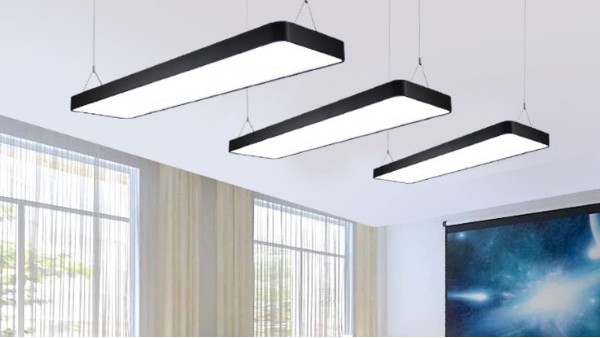

You Don’t Notice the Difference—Until Something Feels Off
Mos polycarbonate vs acrylic diffuser panels look similar on paper. Same thickness, similar specs, clean white finish.
But once they’re installed and running for a few weeks, small differences start showing up.
Light feels harsher than expected. Some panels begin to flex. In certain setups, fine cracks appear near the edges.
That’s when the material choice starts to matter.
Why the Material Matters More Than the Specs Sheet
A diffuser panel isn’t just there to “cover†the LEDs.
It’s responsible for:
- how evenly light spreads
- how the panel handles heat
- how stable it stays over time
Two panels with similar specs can behave very differently in real conditions.
Polycarbonate Diffuser Panels — Built for Stability
Polycarbonate Diffuser Panels is usually the safer option when the setup needs to last.
It’s not brittle, which makes installation more forgiving. Slight pressure from the frame or small alignment issues won’t immediately turn into damage.
It also handles long operating hours better. In environments where lights stay on all day, that stability becomes noticeable over time.
That’s why it’s commonly used in:
- office ceiling systems
- commercial lighting projects
- large installations where maintenance is costly
It costs more upfront, but in many cases, it simply stays out of your way.
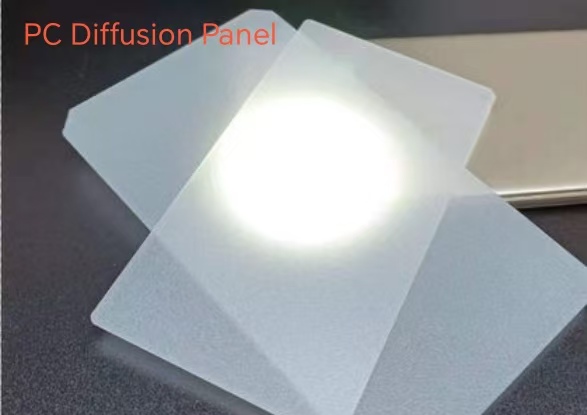
Acrylic Diffuser Panels — Clean Look, Lower Cost
Acrylic Diffuser Panels is widely used for a reason.
It offers:
- higher light transmission
- a cleaner visual finish
- lower initial cost
In controlled indoor environments, it performs well.
Where it struggles is under stress. Slight frame movement, uneven installation pressure, or temperature shifts can lead to small cracks forming over time.
Not always immediately—but enough to become an issue later.
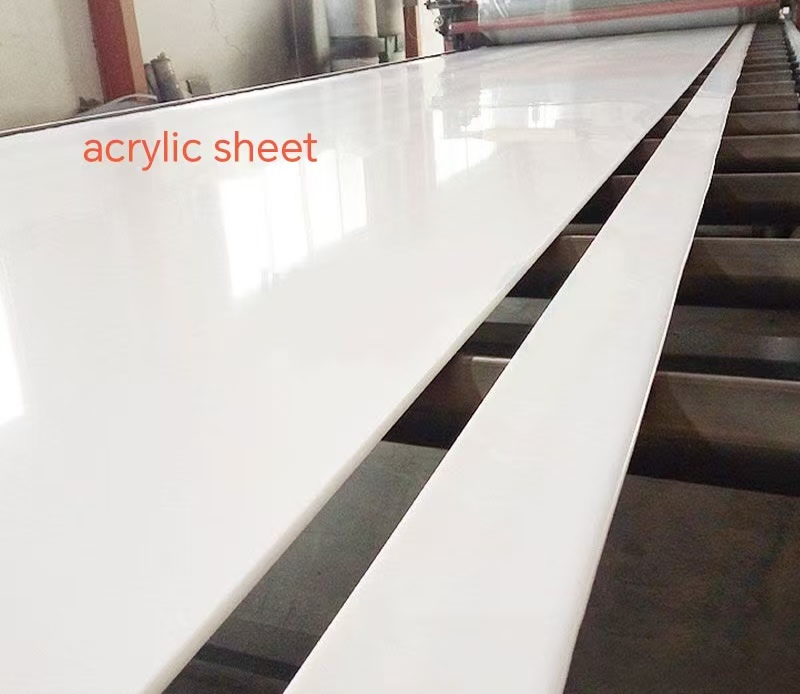
Side-by-Side in Real Use
| Feature | Polycarbonate | Acrylic |
| Durability | More stable long-term | Can crack over time |
| Strength | High | Moderate |
| Flexibility | Slightly flexible | Rigid |
| Light Output | Softer diffusion | Brighter output |
| Maintenance | Minimal | May require replacement |
| Cost | Higher upfront | Lower upfront |
So Which One Should You Choose?
This usually isn’t a technical decision—it’s a practical one.
- For simple indoor projects with tight budgets, acrylic works fine
- For long-term installations or commercial spaces, polycarbonate is often the safer choice
Most people don’t overthink it—until they have to replace panels once or twice.
FAQ
1.Which is better for LED diffuser panels, acrylic or polycarbonate?
Polycarbonate is generally better for long-term use due to its durability and resistance to cracking, while acrylic is suitable for cost-sensitive indoor applications.
2.Do acrylic diffuser panels crack easily?
Acrylic panels can crack over time if exposed to stress, uneven installation pressure, or temperature changes.
3.Why choose polycarbonate over acrylic for lighting?
Polycarbonate offers better impact resistance, flexibility, and long-term stability, making it ideal for commercial or high-usage environments.
If you want to know more ,please click here.